Household emergency kit
A household emergency kit is the set of items your home needs to function for at least 72 hours after a disaster, when external help may not yet have arrived.
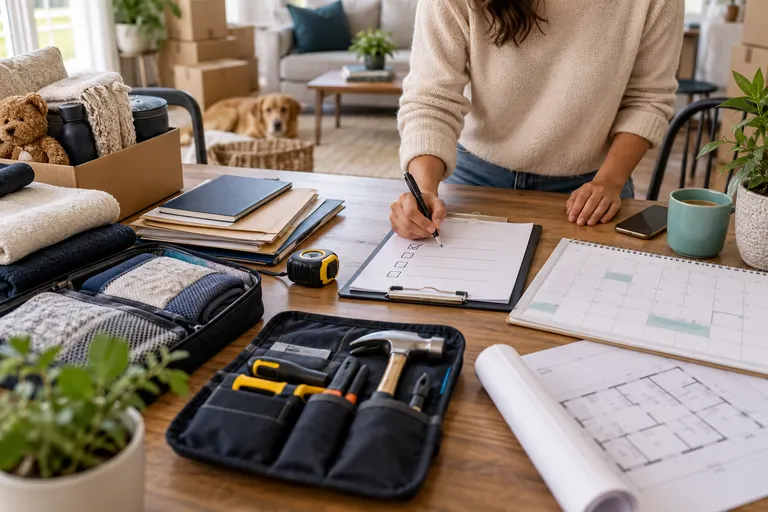
A household emergency kit is the set of items your home needs to function for at least 72 hours after a disaster, when external help may not yet have arrived. It is not a single product you buy once; it is a system you build, store, and rotate so that when the power is out, the roads are blocked, or the water supply stops, you can act without improvisation. The Ready Campaign of FEMA, the U.S. federal emergency management agency, recommends a kit that is tailored to your local hazards, household size, and any personal medical needs (FEMA, Ready.gov, reviewed 2024). The sentence no competitor can write is this: every item below is tied to a specific hazard, a replace-by deadline and a verifiable FEMA or Red Cross source, so the kit stops being a shopping list and becomes a testable readiness system.
Start with the hazards where you live
A kit is only useful if it matches the risks you actually face. FEMA’s Ready Campaign and your state or local emergency management office publish hazard lists for your area. Common categories span earthquakes, hurricanes, tornadoes, floods, wildfires and winter storms. The contents differ:
- Earthquake zones: add sturdy shoes, work gloves, a crowbar and a whistle; plan for dust and debris.
- Hurricane and coastal zones: add waterproof bags for documents, cash in small bills and a NOAA weather radio.
- Wildfire areas: add N95 masks, goggles and a pre-packed go-bag with medications and pet supplies.
- Winter storm zones: add extra blankets, hand warmers and a way to heat water without gas or electricity.
Check FEMA’s Ready campaign and your local emergency management office to confirm which hazards apply to your address (FEMA, Ready.gov, reviewed annually). The Red Cross Emergency App (American Red Cross, 2024) provides location-based alerts and a pre-built kit list; verify your local office’s recommendations before relying on them.
The core kit
Water
Store at least 1 gallon (3.8 litres) per person per day for at least 3 days, for drinking and sanitation (FEMA Ready campaign guidance). For a family of four, that is 12 gallons (45 litres) minimum for 3 days. In hot climates or for pregnant or nursing people, increase the amount. Commercially bottled water is the safest and most reliable emergency water supply, according to FEMA; store it for the time indicated by the manufacturer. If you store tap water, replace it every 6 to 12 months and use food-grade containers. Do not use containers that can break or that previously held toxic substances. For long-term storage, rotate containers and treat with unscented household bleach (8 drops per gallon) if the water is not from a tested source; the CDC provides the current treatment formula. For a two-week supply for a household of four, store 56 gallons.
Food
Store a minimum 3-day supply of non-perishable food per person, per FEMA. Choose items that require no refrigeration, little water and little cooking. Ready-to-eat canned meats, fruits and vegetables, peanut butter, crackers, energy bars, dried fruit and instant coffee all work. Avoid salty foods because they increase thirst. Mark a rotation date on each package and eat the oldest items first; a simple “first in, first out” rule prevents waste. Rotate perishable staples every 6 to 12 months. For long-term storage, freeze-dried products typically list a 25-year shelf life, but check the manufacturer’s date and store them below 75°F (24°C) to preserve quality. If you have infants, add formula and baby food; if you have pets, add their food and any medications. Extend the supply to 2 weeks if you live in a region with extended outage risk (FEMA, Ready.gov, 2024).
Tools and hardware
- Manual can opener: if you store canned food, pack one; electric openers fail in outages.
- Multi-tool or wrench: to turn off utilities; confirm shut-off locations with your local utility provider.
- Plastic sheeting, duct tape and scissors: to create a makeshift shelter-in-place seal.
- Disposable plates, cups and utensils: useful when water is scarce.
Light and communication
- Battery-powered or hand-crank radio: a NOAA Weather Radio with tone alert broadcasts National Weather Service warnings, watches, forecasts and other hazard information 24 hours a day. Confirm the model covers your county’s alert codes. Radio remains the most reliable way to receive official instructions when mobile networks fail.
- Flashlights and extra batteries: one flashlight per person, per FEMA. Test monthly and store batteries separately from devices. Keep a backup light source in each bedroom and near the water heater and furnace shutoff points. Do not use candles after an earthquake or gas leak; use flashlights or battery-powered lanterns instead.
- Cell phone with chargers and a backup battery: keep a charged power bank and a car charger in the kit. A crank radio with a USB port or a solar charger serves as a secondary option.
- Whistle: use it to signal for help without shouting; keep one attached to each kit.
Health and sanitation
- First aid kit: pack prescription medications, inhalers, epinephrine, glasses and a first-aid manual. The American Red Cross publishes a standard contents list, but your doctor must confirm your personal needs.
- Dust mask: for smoke or contaminated air; use N95 or higher where local air quality guidance recommends it.
- Moist towelettes, garbage bags and plastic ties: for personal sanitation.
- Local maps: paper copies in case GPS and cell networks fail; mark shelters and meeting points on them.
Kit container and placement
Use a large plastic bin or a backpack with wheels. Label it and keep it in a known spot. FEMA Ready (2024) says to store the kit in a carry container, ready to go, and to keep a smaller version in the car. Do not store the main kit in a basement that floods.
Check and rotate on a fixed schedule
A kit degrades silently. Batteries leak, food expires and water stored in plastic absorbs off-tastes. Set two recurring calendar reminders each year. On the first date, replace stored water, swap batteries, check expiration dates on food and medications, and update clothing sizes for growing children. On the second date, review your hazard list against FEMA and local emergency management updates, test the radio and flashlights, and rehearse the family meeting point. The American Red Cross sells pre-built kits but also publishes a full contents list; compare any commercial kit against the Red Cross list before buying.
Read next
-
Moving home checklist
A moving checklist sequences tasks so that no step depends on a document or decision you have not yet made.
-
International travel checklist
An international trip succeeds or fails before you leave home. The difference is not luck; it is a sequence of checks that run from travel-document validity to the plan for returning.
-
Starting a new job checklist
Starting a new job is a logistical event with multiple deadlines. Some steps must happen before your first day, others during your first week, and a few can wait until you are settled.
-
Remote-work setup checklist
A remote-work setup is not a single purchase or a one-time configuration.
-
Home renovation checklist
A home renovation is a project, and like any project it has a beginning, a middle, and an end. The difference between a stressful rebuild and a controlled one is usually preparation.
-
Rental application checklist
A rental application is a formal request to lease a home. Property owners and managers use it to decide whether you can pay rent reliably and care for the property.