Choose travel insurance that actually covers you
Choose travel insurance that actually covers you.
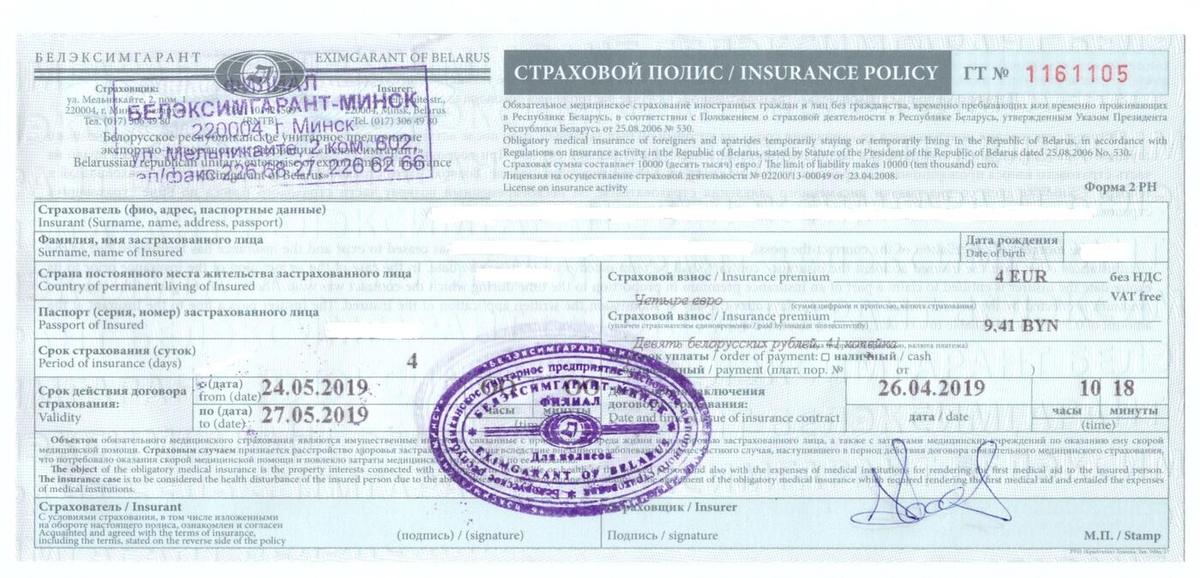

How to Read a Policy Wording Document
The single most reliable way to choose travel insurance that actually covers you is to read the policy wording document before you buy. This document, typically 20-40 pages, is the legally binding contract. Marketing summaries and comparison websites omit the exclusions that cause claim denials.
Start with the Exclusions section. This is not a list of what is covered; it is a list of what is not covered. According to the Financial Conduct Authority (FCA) Handbook ICOBS, UK insurers must present exclusions clearly, but the burden of understanding them falls on the policyholder. Common exclusion sections to locate and read in full are:
- General Exclusions
- Medical Exclusions
- Pre-existing Conditions
- Activities Exclusions
If the policy text uses a phrase like “we will not cover any claim arising from…” followed by a broad category, assume that category is excluded unless a specific endorsement (a separate clause that adds protection) is present.
Choose Travel Insurance That Actually Covers Your Trip
The Medical Evacuation Limit: A Critical Threshold
Medical evacuation is the most expensive single claim a travel insurance policy can face. The US State Department recommends a minimum of about about about $100,000 in medical evacuation protection. For cruises, remote trekking, or destinations more than two hours from a major hospital, the recommended minimum rises to about about $250,000.
Check the policy text for two specific details:
- The dollar limit. Is it at least about about about $100,000? If less, you may be responsible for the difference.
- The destination in the evacuation clause. Does the policy cover evacuation to “the nearest adequate medical facility” or “your home country”? Evacuation to a local facility is cheaper for the insurer; evacuation home is more expensive and often has a separate, lower sub-limit.
Policies that do not specify “home country” in the evacuation clause may leave you stranded in a foreign hospital after initial stabilization. The International Assistance Group (IAG) membership criteria require member assistance companies to arrange repatriation, but the policy must explicitly cover it.
Pre-existing Condition Clauses: The Look-Back Period
A pre-existing condition clause allows the insurer to deny claims for health issues you had before the policy started. Most policies define this with a look-back period of 60-180 days prior to the policy purchase date (industry standard). Any illness or injury for which you sought medical advice, received treatment, or took prescribed medication during that period is considered pre-existing.
There are two ways to handle this:
- Waiver deadline. Many policies offer a pre-existing condition waiver if you purchase the policy within 14-21 days of making your initial trip payment. This waiver eliminates the look-back period for that specific trip. The deadline is strict; missing it by one day voids the waiver.
- Medical screening. If you miss the waiver deadline, some insurers offer a medical screening questionnaire. If you pass, the condition is covered. If you fail, the condition is excluded.
If you have a chronic illness that requires regular medication or specialist visits, do not assume it is covered. Check the policy text for “Pre-existing Conditions” and confirm whether a waiver was applied or a screening was completed.
Claims Process Accessibility: What to Verify Before Purchase
A policy is only as good as its claims process. Use the policy document to verify three indicators of accessibility:
- Filing methods. Does the policy offer an online portal, a 24/7 phone line, and email submission? A policy that requires postal mail only is a red flag; claims may take weeks to arrive.
- Direct billing. Does the insurer have a direct billing arrangement with hospitals abroad? If not, you must pay upfront and submit receipts for reimbursement. The typical claims filing deadline is 20-90 days from the date of loss (industry standard).
- Processing timeline. Is there a clear timeline for claims processing stated in the policy text? If no timeline is mentioned, the insurer has no contractual obligation to respond within a specific period.
The UK Financial Conduct Authority (FCA) requires insurers to handle claims promptly and fairly, but the timeline is not standardized across jurisdictions. In Australia, the Australian Securities and Investments Commission (ASIC) enforces similar standards under the Corporations Act, but the policy document is still the primary source.
Travel Insurance Coverage Checklist: Five Gaps to Check
Use this checklist to identify protection gaps before purchase. Each item states why it exists and which official source must confirm it.
1. Schengen Visa Minimum
If you are traveling to the Schengen area, Regulation (EC) No 810/2009 requires a minimum of about about €30,000 in medical expense coverage. This is a legal entry requirement, not a recommendation. Verify the policy states “about about €30,000” or an equivalent amount in your currency.
2. Adventure Sports Altitude and Depth Limits
Common adventure sports exclusions apply to activities above 4,500 meters altitude and scuba diving below 30 meters depth (unless certified). If your trip includes high-altitude trekking or diving, check the policy text for an “Activities Exclusions” section. If the activity is excluded, you need a specialist policy or an add-on.
3. Terrorism Coverage
Most standard policies exclude terrorism unless a specific “terrorism buy-back” clause is added. This clause is typically a separate endorsement. If your destination has a current travel advisory from the UK Foreign Office or US State Department related to terrorism, verify that the policy covers it.
4. Natural Disaster Coverage
Natural disaster coverage is only valid if the policy was purchased before the storm or event was named. Once a hurricane, wildfire, or volcanic eruption is publicly identified, new policies will exclude it. Check the policy text for “natural disaster” and confirm the purchase date relative to the event.
5. Baggage Delay and Loss
Baggage delay coverage typically has a waiting period of 6-12 hours before a payout is triggered. If your trip involves a tight connection or multiple flights, this waiting period may be too long. Also check the sub-limit for baggage loss; common limits set by insurers range from $500 to $1,500 per item, with a maximum total payout typically between about $2,500 and about $3,000.
What to Look for in Travel Insurance Before You Commit
The Cooling-Off Period: Your Safety Net
Most travel insurance policies include a cooling-off period (free-look period) during which you can cancel for a full refund. In the EU, this is a minimum of 14 days under the EU Directive on distance marketing of financial services. In the US, it varies by state, typically 10-30 days.
Use this period to read the full policy document. If you find an exclusion that makes the policy unsuitable for your trip, cancel immediately. Do not wait until after the cooling-off period ends.
How to Compare Travel Insurance Policies
Comparing policies requires looking past the premium price and benefit summary. Place two policy documents side by side and check these four points:
- Evacuation destination. Does each policy specify repatriation to your home country, or only to the nearest adequate facility? The difference in potential out-of-pocket cost is substantial.
- Look-back period length. A 60-day look-back period is more favorable than a 180-day one. If you have seen a doctor recently, the shorter window reduces the chance of a condition being classified as pre-existing.
- Claims filing window. Compare the number of days each insurer allows for submitting a claim. A 90-day window gives more flexibility than a 20-day window, especially if you are recovering from an illness or injury.
- Activity exclusions. If both policies exclude an activity you plan to do, check whether one offers an add-on or buy-back clause and the other does not.
Decision Rule: When to Buy and When to Walk Away
Apply this decision rule after reading the policy document:
- Buy if the policy meets all of the following: medical evacuation limit of at least about about about $100,000 (about $250,000 for cruises/remote areas), pre-existing condition waiver or acceptable screening, 24/7 claims phone line, and no exclusion that directly applies to your planned activities.
- Walk away if the policy has any of the following: medical evacuation limit below about $50,000, no direct billing arrangement, a pre-existing condition clause with no waiver option, or a terrorism exclusion without a buy-back clause when traveling to a high-risk destination.
No policy covers everything. The goal is to identify the gaps you cannot afford to accept. Reading the full policy wording before you pay is the only way to know which gaps remain.
Frequently Asked Questions
How do I find the policy wording document before purchase?
Most insurers provide a link to the full policy wording on the product page or in the terms and conditions section. If you cannot find it, request it via email or chat before entering payment details. A reputable insurer will provide it immediately.
What is the difference between “nearest adequate facility” and “home country” in medical evacuation?
“Nearest adequate facility” means the insurer will transport you to the closest hospital that can treat your condition. “Home country” means they will transport you back to your home country. The latter is more expensive and often has a separate, lower sub-limit. Check the policy wording for the exact phrase used.
Can I get coverage for a pre-existing condition if I missed the waiver deadline?
Yes, if the insurer offers a medical screening questionnaire. You must answer honestly about your condition and treatment history. If you pass, the condition is covered. If you fail, it is excluded. Some insurers decline coverage entirely for certain conditions.
What should I do if my claim is denied?
First, review the policy wording to confirm the exclusion that caused the denial. If you believe the denial is incorrect, file a formal appeal with the insurer. If that fails, contact the regulatory body in your jurisdiction: the Financial Ombudsman Service in the UK, the Australian Financial Complaints Authority in Australia, or your provincial insurance regulator in Canada.
Read next
-
 International travel checklist
The single cause of preventable travel disruption is treating preparation as a single task instead of a sequence of decisions.
-
 Carry-on essentials
Every carry-on decision starts with one question: If my checked bag disappears, can I still do everything I need to do for the next 48 hours?
-
 Road-trip preparation
 is a task-matching problem, not a packing exercise.
-
 Back up travel documents
Create three copies of every travel document: one on your person, one in your luggage, and one accessible remotely.
-
 Work and project setup
A work or project setup is a structured process that turns an idea into a defined, resourced, and time-bound effort.